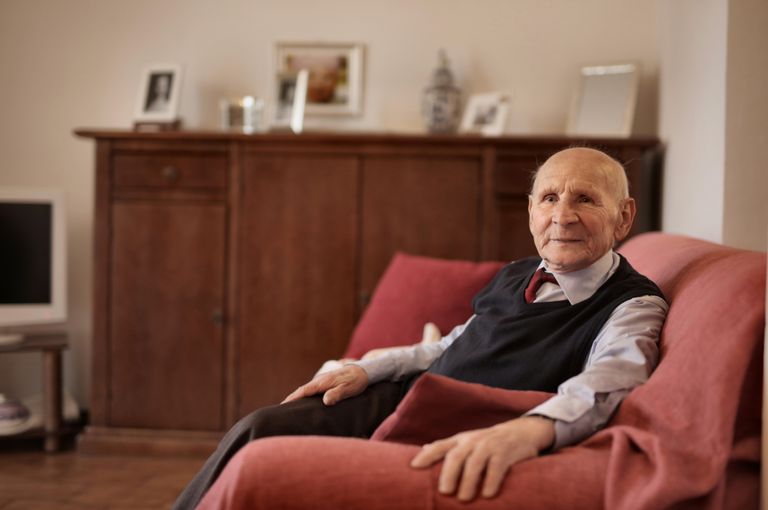


Watching a parent age is never easy, especially when you start to notice changes that make you wonder if they’re still safe living on their own. Many adult children go through a long stretch of “is it time?” before they feel confident making a decision. If you’re in that stage right now, you’re not alone, and there are some clear signs that can help guide the conversation.
Here’s what to look for, and what those signs might mean for your family.
1. Frequent Falls or Near Falls
A single fall can be a wake up call. Repeated falls, or even close calls that leave your loved one shaken, are a strong signal that their current living situation isn’t providing enough support. Falls are one of the leading causes of injury among older adults, and the risk only grows when no one is nearby to help them recover safely or catch a fall before it happens.
2. Missed Medications or Medication Mix-Ups
Managing a complex medication schedule gets harder with age, especially for those managing multiple chronic conditions. If you’re finding unopened pill bottles, doubled-up doses, or missed prescriptions, it’s a sign that daily oversight is needed, not just occasional reminders.
3. Noticeable Changes in Hygiene or Grooming
If a parent who always took pride in their appearance is suddenly wearing the same clothes for days, skipping showers, or neglecting basic grooming, it’s often not a matter of preference. It can point to physical difficulty, memory issues, or depression, all of which benefit from consistent, hands-on support.
4. A Home That’s Becoming Unsafe or Unkempt
Piles of unopened mail, spoiled food in the refrigerator, or a home that once was tidy now falling into disarray are signs that daily tasks have become overwhelming. Unsafe conditions like clutter blocking walkways or unpaid utility bills are worth taking seriously.
5. Weight Loss or Poor Nutrition
Cooking, grocery shopping, and eating regular meals take more coordination than people realize. Unexplained weight loss or an empty pantry can mean your loved one is struggling to feed themselves properly, whether from physical limitations, memory loss, or simply not wanting to cook for one.
6. Confusion, Memory Lapses, or Getting Lost
Occasionally forgetting a name is normal. Getting lost driving a familiar route, forgetting to turn off the stove, or repeating the same questions within minutes are different. These moments can signal cognitive decline that requires more supervision than a family can realistically provide at home.
7. Wandering or Leaving the House Unattended
For families dealing with dementia or Alzheimer’s, wandering is one of the most dangerous behaviors to watch for. If your loved one has left the house without telling anyone, or you’ve had a scare where you couldn’t locate them, this alone is often reason enough to consider around the clock supervision.
8. Increasing Isolation or Withdrawal
Has your parent stopped calling friends, skipping activities they used to enjoy, or seem withdrawn during visits? Isolation can be both a cause and a symptom of declining health, and it’s easy to miss when you’re not seeing them every day.
9. Caregiver Burnout in the Family
Sometimes the clearest sign isn’t in your loved one at all. It’s in you, or in the sibling or spouse who has been trying to hold everything together. If family caregivers are exhausted, missing work, or feeling like they can’t keep up, that’s a sign the level of care needed has outgrown what the family can safely provide alone.
10. A Recent Hospitalization or Health Decline
A hospital stay, a new diagnosis, or a sudden decline in mobility often marks a turning point. What worked before may not work now, and this is frequently the moment families start seriously researching residential care options.
What to Do If You’re Seeing These Signs
If a few of these signs sound familiar, it doesn’t mean you’ve failed as a caregiver. It means your loved one’s needs have changed, and it may be time to explore options that can keep them safe while still feeling like home.
Our Honest Answer to These Questions
Genesis Manor homes are not locked or secured memory care units, and we do not staff awake overnight caregivers. A caregiver lives on site around the clock, seven days a week, and responds to emergencies at any hour, but nighttime supervision is on call rather than continuous.
We will tell you honestly which category your parent is in, even when the answer is that we cannot help. We would rather point you somewhere better than take a placement that will not work.
That makes us a strong fit for a resident in early to middle stage dementia who is not an active elopement risk. It makes us the wrong fit for someone who wanders at night or needs continuous overnight monitoring.
At Genesis Manor, we’ve provided residential care across the Inland Empire since 1999. Our small, family-style homes in Rancho Cucamonga, Claremont, and La Verne offer around-the-clock on-site care, medication assistance, and daily support, all in a setting that feels far more like a real home than an institution. We accept Medi-Cal and VA benefits, and our team is happy to talk through your specific situation, no pressure, just honest guidance. Compare all five homes side by side.
More guides for families are in our resource library.
Not Sure If It Is Time Yet
Most families call us months before they are ready to move anyone. That is a good time to call, not a premature one. Ten minutes on the phone will tell you what level of care the signs you are seeing usually point to, and whether a board and care home is the right category to be looking at.